


Key Features of Professional Event Stage Setup and Support Services

When it comes to pulling off a memorable event, the stage setup plays a starring role. Whether you're organizing a corporate conference, a live band performance, or a podcast recording, the right stage environment can make all the difference. I’ve seen firsthand how a professional event stage setup transforms an ordinary gathering into an extraordinary experience. Let’s dive into the key features that make professional stage support services stand out and why they matter for your next event.
Why a Professional Event Stage Setup Matters
Imagine walking into a venue where the stage looks cluttered, the lighting is dim, and the sound is all over the place. Not exactly the vibe you want, right? A professional event stage setup ensures everything is seamless, from the visuals to the acoustics. It’s not just about aesthetics; it’s about creating an environment where speakers, performers, and audiences connect effortlessly.
A well-planned stage setup includes:
Strategic lighting that highlights key moments without blinding the audience.
Clear sound systems that deliver crisp audio, no matter the venue size.
Ergonomic stage design that allows performers and speakers to move freely and confidently.
Safety measures to prevent accidents and ensure smooth transitions.
When these elements come together, the event flows naturally, keeping everyone engaged and impressed.

Essential Components of a Successful Event Stage Setup
Let’s break down the must-haves for any professional stage setup. These components work in harmony to create a polished and functional stage environment.
1. Sound System and Audio Management
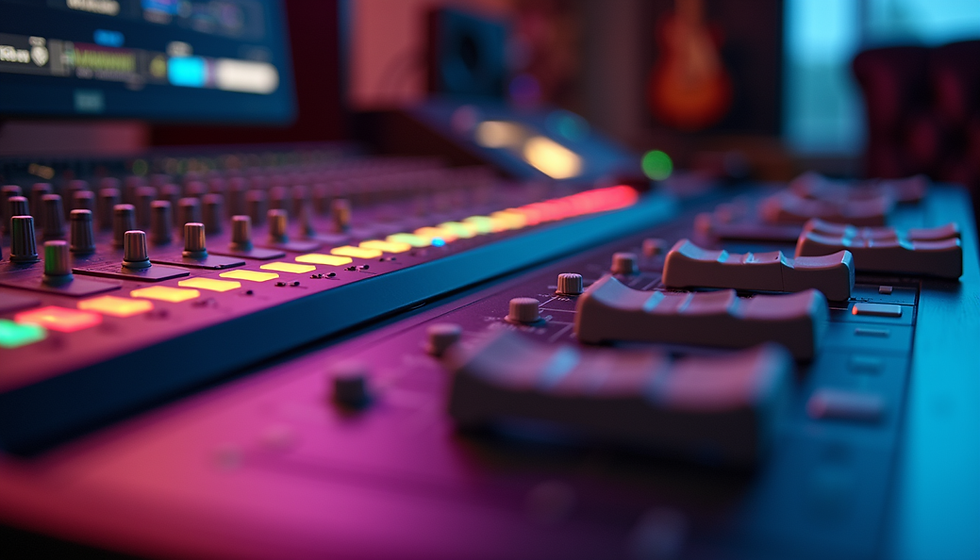
Sound is king in any event. Without clear audio, even the best presentations or performances fall flat. A professional setup includes high-quality microphones, speakers, mixers, and audio processors. The goal is to eliminate feedback, balance volume levels, and ensure every word or note reaches the audience clearly.
For example, wireless microphones give speakers freedom to move, while in-ear monitors help musicians hear themselves perfectly. Audio technicians monitor and adjust sound in real-time, adapting to changes on stage.
2. Lighting Design and Control
Lighting sets the mood and directs attention. It can energize a crowd or create an intimate atmosphere. Professional lighting setups use a mix of spotlights, floodlights, and colored LEDs to enhance the event’s theme and highlight key moments.
Dynamic lighting control allows for smooth transitions between scenes or speakers. Imagine a spotlight following a keynote speaker or a burst of color during a band’s chorus. These effects keep the audience visually engaged.
3. Stage Structure and Layout
The physical stage must be sturdy, safe, and tailored to the event’s needs. This includes the size, height, and shape of the platform. Modular stages offer flexibility, allowing setups for small talks or large performances.
Accessibility is also crucial. Ramps, stairs, and clear pathways ensure everyone can get on and off stage easily. Plus, the layout should consider sightlines so every audience member has a great view.
4. Visual and Multimedia Integration
In today’s digital age, visuals are a big part of presentations and performances. Professional setups often include large screens, projectors, and video walls. These display slides, videos, or live feeds, enhancing the audience’s understanding and enjoyment.
Technicians coordinate these visuals with the event flow, ensuring smooth transitions and syncing with audio and lighting cues.
How Professional Stage Support Services Elevate Your Event
You might wonder, what exactly do professional stage support services bring to the table? From my experience, they are the backbone of a flawless event. Here’s how:
Expertise and Experience: Professionals know how to anticipate challenges and solve problems quickly. They understand the technical details and the art of event flow.
Customized Solutions: Every event is unique. Stage support teams tailor setups to fit your venue, audience size, and event goals.
On-site Management: Having experts on hand during the event means real-time adjustments and smooth transitions.
Equipment Quality: Professionals use top-tier gear that delivers reliability and superior performance.
Safety and Compliance: They ensure all setups meet safety standards, protecting everyone involved.
By partnering with a trusted team, you free yourself from technical worries and focus on what matters most - delivering an unforgettable experience.

Practical Tips for Planning Your Event Stage Setup
Planning a stage setup can feel overwhelming, but breaking it down into manageable steps helps. Here are some actionable tips to get you started:
Define Your Event Needs: What type of event are you hosting? A panel discussion, a concert, or a product launch? This shapes your stage design and equipment choices.
Visit the Venue: Understand the space, power availability, and audience layout. This helps avoid surprises on the day.
Consult with Professionals Early: Engage with stage support experts during the planning phase. Their input can save time and money.
Plan for Rehearsals: Schedule time for sound checks and run-throughs. This ensures everything works smoothly.
Consider Audience Experience: Think about sightlines, seating comfort, and accessibility.
Prepare for Contingencies: Have backup plans for technical glitches or last-minute changes.
Following these steps sets a solid foundation for a successful event.
The Impact of a Well-Executed Event Stage Setup
When all the pieces come together, the impact is powerful. A professional event stage setup:
Boosts Speaker Confidence: When the environment supports them, speakers and performers shine.
Enhances Audience Engagement: Clear sound, dynamic lighting, and visuals keep attention focused.
Elevates Brand Image: A polished event reflects well on your organization or business.
Creates Memorable Moments: The right atmosphere makes your event unforgettable.
In my experience, investing in professional stage support services is one of the smartest moves you can make. It’s not just about technology; it’s about crafting an experience that resonates long after the event ends.
Ready to take your next event to the next level? Remember, the right stage setup is your secret weapon for success. With expert planning, quality equipment, and skilled support, your event will not only run smoothly but leave a lasting impression on everyone involved.


Comments