


Integrate Sound and Lighting for Events
When it comes to creating memorable events, nothing beats the magic of perfectly synchronized sound and lighting. I’ve seen firsthand how integrating these two elements can transform a simple gathering into an immersive experience. Whether you’re organizing a corporate seminar, a live band performance, or a podcast recording, mastering integrated event audio-visuals is key to captivating your audience.
Let’s dive into how you can seamlessly blend sound and lighting to elevate your next event. I’ll share practical tips, examples, and insights that will help you create an atmosphere that’s both engaging and professional.
Why Integrated Event Audio-Visuals Matter
Imagine walking into a room where the lighting sets the mood just right, and the sound is crystal clear without any annoying feedback or echoes. That’s the power of integrated event audio-visuals. When sound and lighting work together, they enhance each other, creating a cohesive environment that keeps attendees focused and entertained.
For example, during a product launch, dynamic lighting can highlight the product while the sound system ensures every word from the presenter is heard clearly. Or at a concert, lighting effects can sync with the music’s rhythm, amplifying the emotional impact.
Here’s why integration is essential:
Consistency: Coordinated sound and lighting prevent distractions caused by mismatched cues.
Atmosphere: Lighting sets the tone, while sound delivers the message or music.
Engagement: A well-integrated setup keeps the audience emotionally connected.
Professionalism: It reflects well on your brand or event, showing attention to detail.
By focusing on integrated event audio-visuals, you’re not just adding tech to your event—you’re crafting an experience.

Stage lighting and sound equipment working together to create an immersive event atmosphere
How to Plan Your Integrated Event Audio-Visuals
Planning is the foundation of success. When I prepare for an event, I start by understanding the venue, the event’s purpose, and the audience’s expectations. This helps me decide what kind of sound and lighting will work best together.
Step 1: Assess the Venue
Check the size and shape of the room.
Identify natural light sources and acoustics.
Note any restrictions on equipment or power.
Step 2: Define Your Event Goals
Is it a formal presentation, a lively concert, or a casual gathering?
What mood do you want to create?
How important is audience interaction?
Step 3: Choose the Right Equipment
Select speakers and microphones that suit the space.
Pick lighting fixtures that can be programmed or adjusted easily.
Consider wireless options for flexibility.
Step 4: Design the Integration
Plan lighting cues that complement sound changes.
Use software or control boards that allow syncing.
Schedule rehearsals to test the setup.
For example, at a corporate event, I might use soft, warm lighting during speeches and switch to brighter, colorful lights during breaks or entertainment segments. The sound system would adjust volume and clarity accordingly.

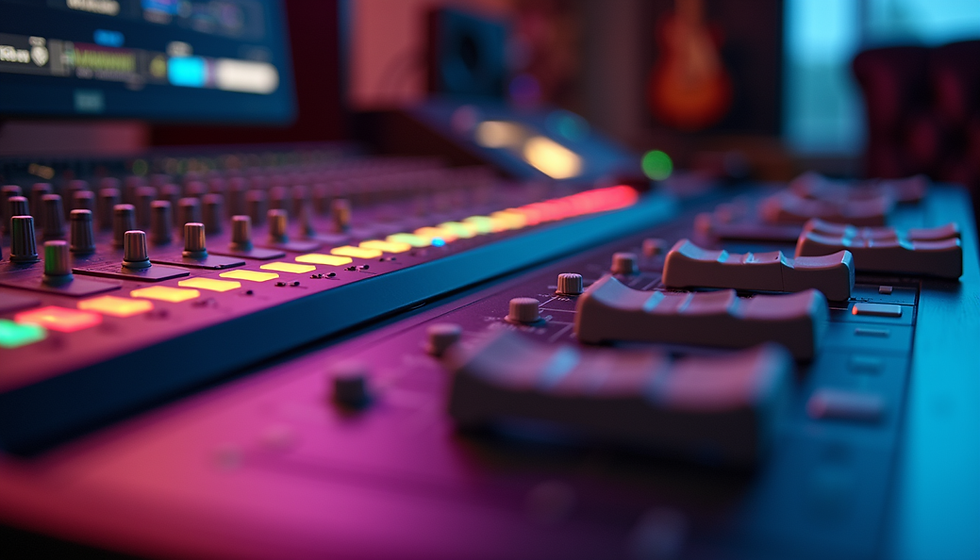
Audio mixing console paired with lighting control panel for synchronized event management
Tips for Seamless Integration of Sound and Lighting
Getting sound and lighting to work in harmony can be tricky, but these tips have helped me avoid common pitfalls:
Communicate with Your Team
Make sure the sound engineer and lighting technician collaborate from the start. Sharing cues and timing ensures smooth transitions.
Use a Central Control System
Modern event setups often use integrated control software that manages both sound and lighting. This reduces human error and allows for precise synchronization.
Test Early and Often
Run through the entire event program with all equipment active. This helps catch issues like sound feedback or lighting glitches before the audience arrives.
Consider the Audience’s Perspective
Walk around the venue during setup to check sound levels and lighting angles. What looks good from the stage might not work from the back of the room.
Plan for Flexibility
Events can be unpredictable. Have backup equipment ready and be prepared to adjust lighting or sound on the fly.
By following these steps, you’ll create a polished, professional event that feels effortless to your guests.
Enhancing Your Event with Creative Audio-Visual Effects
Once you have the basics down, it’s time to get creative. Integrated event audio-visuals open up a world of possibilities to make your event stand out.
Dynamic Lighting Effects: Use color changes, spotlights, and moving lights to match the mood or music tempo.
Soundscapes: Layer background sounds or music to enhance storytelling or create ambiance.
Interactive Elements: Incorporate audience-triggered lighting or sound effects for engagement.
Themed Setups: Tailor your audio-visuals to fit the event theme, like soft blues for a corporate gala or vibrant reds for a rock concert.
For instance, during a podcast recording, subtle lighting changes can signal different segments or guest introductions, while clear, balanced sound ensures every word is captured perfectly.

Stage illuminated with colorful lighting synchronized with sound for a lively event
Partnering with Experts for Flawless Execution
While DIY setups can work for small events, partnering with professionals ensures your integrated event audio-visuals are flawless. Companies like RDS Pro Audio specialize in providing top-notch sound and lighting services tailored to your event’s needs.
Here’s why working with experts makes a difference:
Experience: They know how to handle different venues and event types.
Equipment: Access to high-quality, reliable gear.
Technical Support: On-site troubleshooting and adjustments.
Creative Input: Ideas to enhance your event’s impact.
If you’re on Vancouver Island or nearby, RDS Pro Audio is a trusted partner that can take the stress out of managing your event’s sound and lighting. Their goal is to make every sound experience exceptional and hassle-free.
Bringing It All Together for Your Next Event
Integrating sound and lighting is more than just a technical task—it’s an art form that shapes how your event feels and flows. By planning carefully, collaborating with your team, and embracing creativity, you can deliver an experience that resonates long after the event ends.
Remember, the right combination of sound and lighting can:
Highlight key moments
Set the perfect mood
Keep your audience engaged
Showcase your professionalism
So, are you ready to transform your next event with integrated event audio-visuals? Start planning today, and watch your event come alive in ways you never imagined.
If you want to learn more about how to elevate your events with expert event sound and lighting, don’t hesitate to reach out to professionals who can guide you every step of the way. Your audience deserves the best, and so do you.


Comments